
TYLER McDANIEL
Tyler McDaniel sees history in the hills, towns, and landscapes of southeast Ohio. As president of Little Cities of Black Diamonds, he’s helping preserve the stories of the region’s coal communities—and showing why their history still matters today.
PEOPLE | HISTORY & HERITAGE | PERRY COUNTY
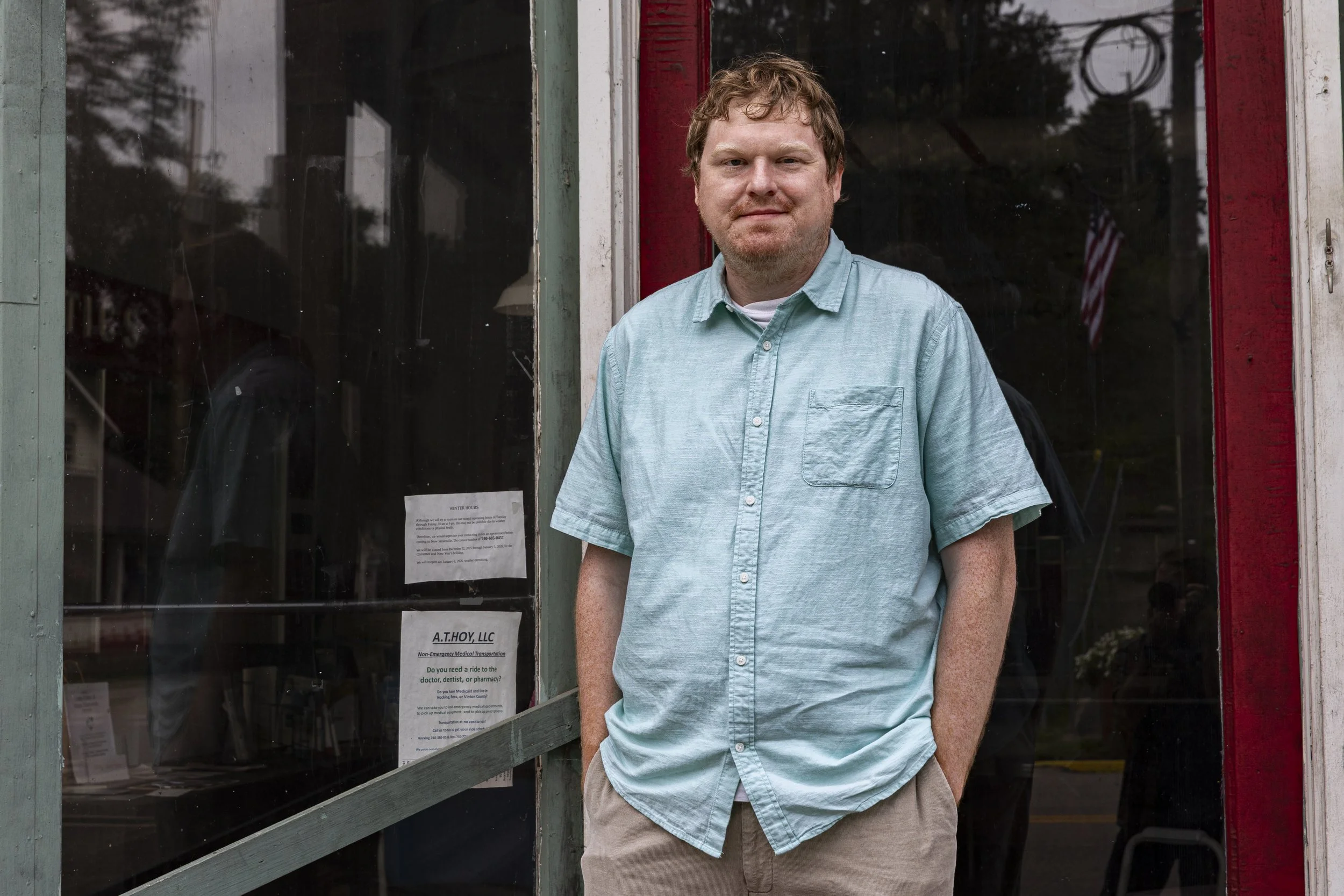
Tyler McDaniel pays attention to the details most people pass by.
A stand of trees might mark the site of a coal mine where thousands once worked. A stretch of woods can still hold the remains of mining infrastructure. A cemetery along a hillside might trace generations of families whose lives were shaped by the region’s industrial past. To Tyler, the landscape isn’t just scenery—it’s a record of the people and stories that came before.
The work that draws Tyler into that history centers in New Straitsville, Ohio, a small village in southern Perry County that once stood at the heart of the region’s coal industry. Today it is home to Little Cities of Black Diamonds, a nonprofit organization dedicated to preserving and sharing the stories of the coal towns that once stretched across parts of Perry, Hocking, and Athens counties.
That mission fits naturally with Tyler’s interests. Though he grew up in neighboring Hocking County and now lives in The Plains, he studied geography at Ohio University with a focus on human geography—the study of how people shape places and how places shape communities in return.
As he explains it, human geography is about understanding how people interact with the spaces around them. “It’s kind of studying why people move around space and when they do it, what drives them to do it, and how they shape themselves and communities and the physical landscape around them.”
Long before he became president of Little Cities of Black Diamonds, he was the kind of person who wanted to understand why towns appeared where they did, what industries once sustained them, and how communities could rise, change, and still leave their mark on the land.
For Tyler, those questions are also personal.
Coal mining runs through both sides of his family history. His grandfather worked in the mines, as did his great-grandfather. On his mother’s side, there were miners as well, in southeast Ohio and nearby West Virginia.
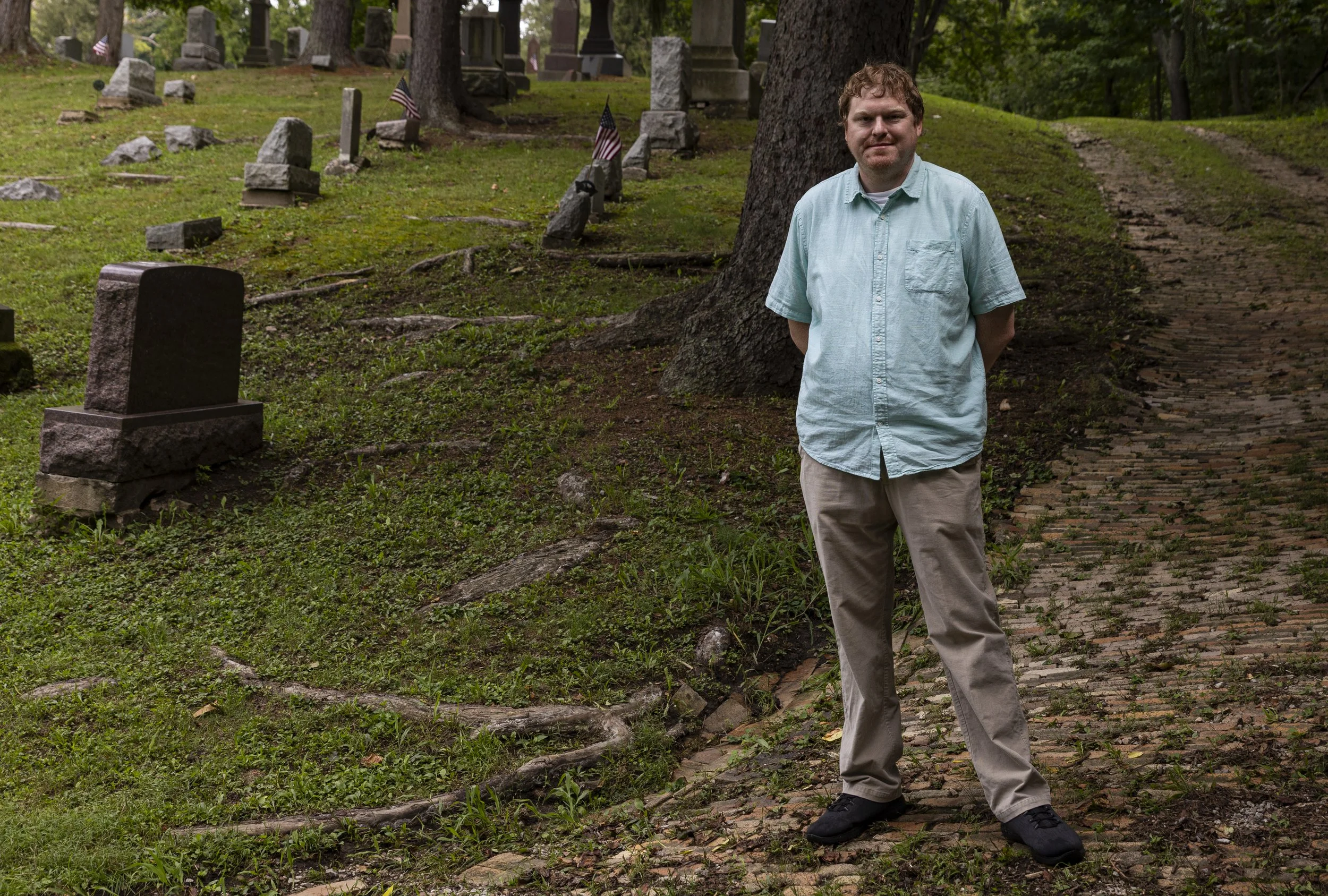
To Tyler, the landscape isn’t just scenery—it’s a record of the people and stories that came before.
But the reason Tyler began sharing that history publicly was fairly simple.
After graduating from Ohio University, Tyler stayed in the region, wanting to remain close to family and the place where he grew up. Over time, he kept hearing a version of the same idea repeated again and again—that nothing important had ever really happened in this part of Ohio.
To him, that claim never made sense.
The deeper he looked into the history of southeast Ohio, the more he realized how much had taken place here. The coal towns scattered across Perry, Hocking, and Athens counties belonged to a region that shaped national conversations about labor, immigration, and workers’ rights.
In 2015, Tyler decided to start sharing some of those stories himself.
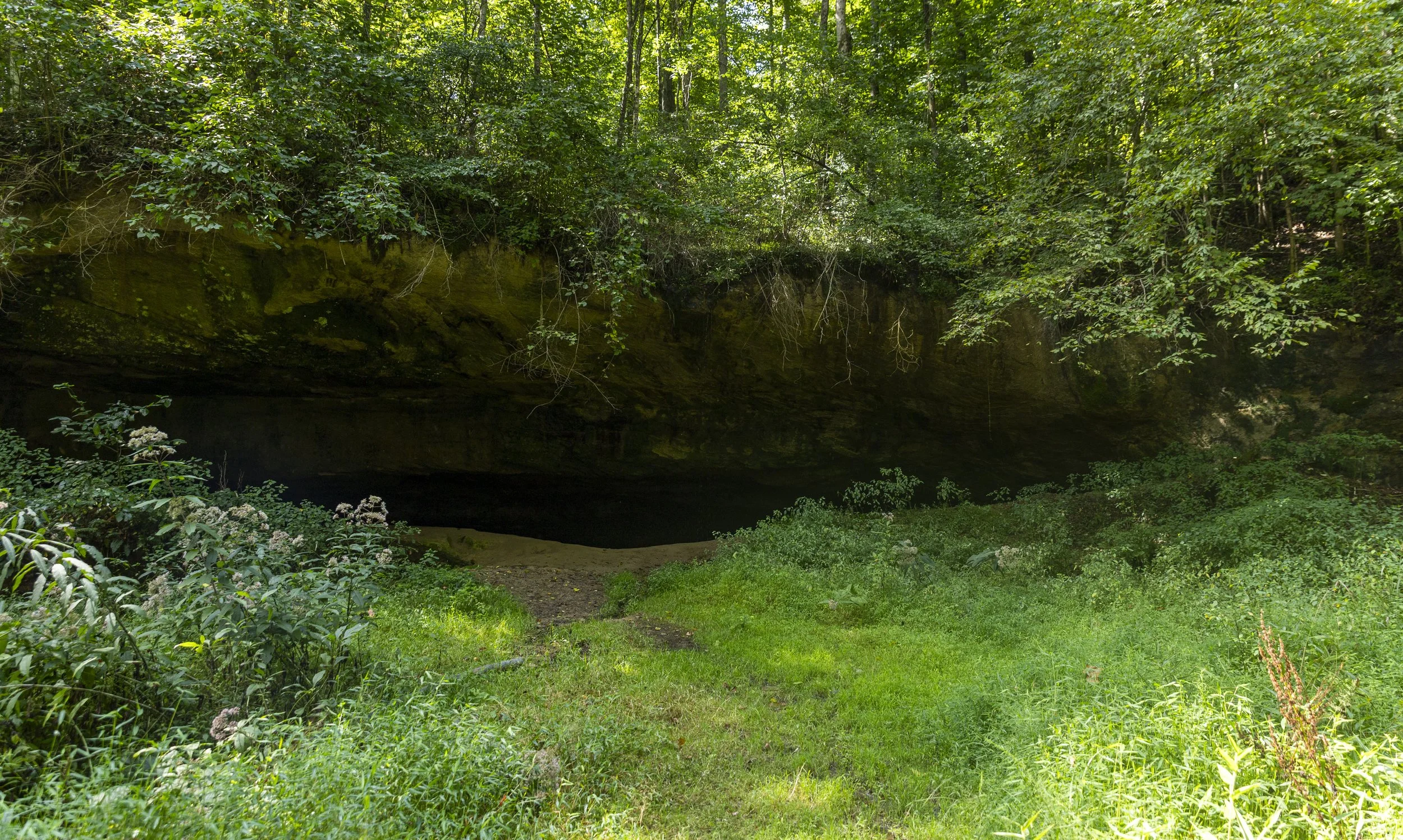
Without any organization behind him just yet, he launched a Facebook page and YouTube channel called Ohio and Appalachian History Geographer. Using a small camera and a tripod, he began visiting sites across the region, pointing out remnants of old mines, railroad routes, and forgotten towns. Alongside the videos, he shared photographs and research about the places he explored.
What started as a personal project quickly gained attention. Within a few years, the page had gathered more than a thousand followers—many of them people from the region who were eager to contribute their own memories and family stories.
That response showed Tyler something important: people wanted to see their communities reflected in history.
It also eventually connected him with the organization doing similar work on a larger scale.
Little Cities of Black Diamonds traces its roots back more than thirty years. The initiative grew out of Sunday Creek Associates, a nonprofit founded in 1990 to support community development in southern Perry County. Early organizers believed that if communities were going to move forward after the collapse of the region’s coal industry, they first needed to understand the history that shaped them.
Many of the coal towns scattered across Southeast Ohio had experienced the sharp boom-and-bust cycle of mining. When the mines closed, the industries and infrastructure that supported them often disappeared as well. By the late twentieth century, some communities had become known primarily for decline rather than for the vibrant places they once were.
Local residents began working to change that narrative.
Volunteers began collecting historic photographs and recording oral histories from longtime residents across the region. One of the earliest major additions came from the Wes Tharp Collection, a group of historic photographs that helped spark deeper interest in documenting the coal towns’ past. Around the same time, Sunday Creek Associates co-founder John Winnenberg began gathering oral histories from residents in communities such as New Straitsville, Shawnee, and Corning, capturing memories from people who had lived through the region’s mining era.
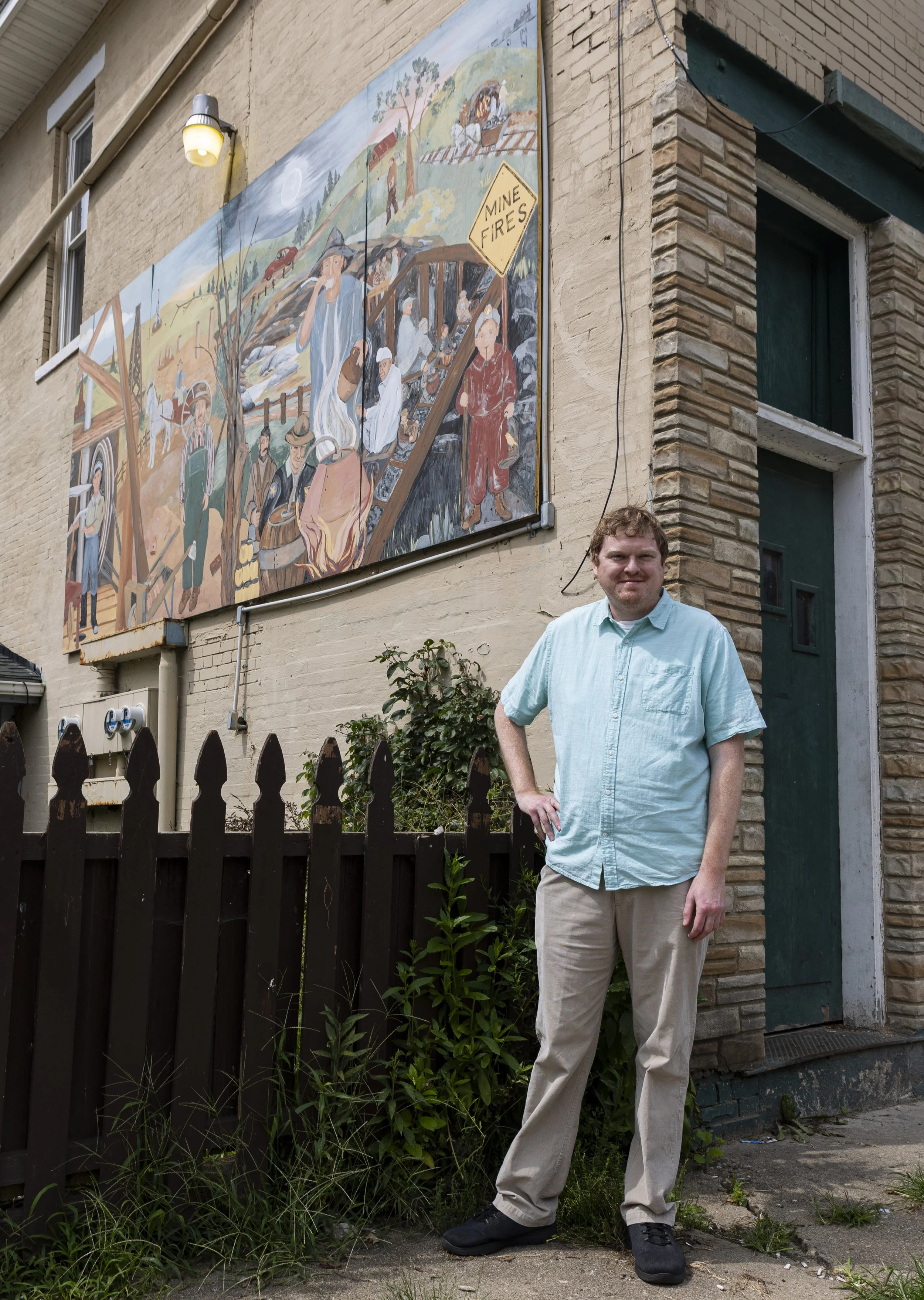
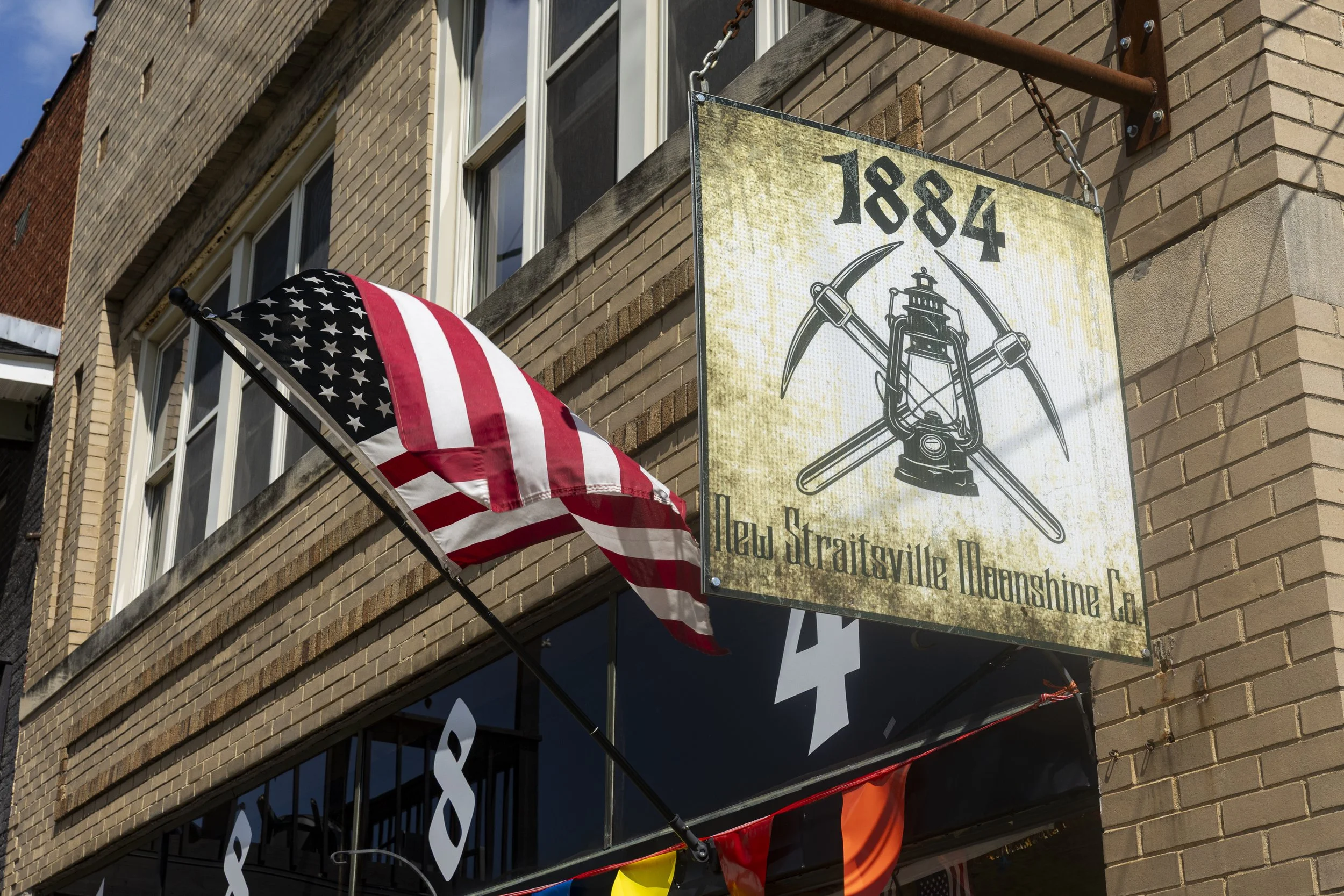
The first public display of those photographs took place at the New Straitsville Moonshine Festival in 1995. What began as a simple exhibit quickly turned into something more. Elders in the community began bringing forward their own photographs and stories, expanding the archive and helping piece together a fuller picture of the region’s history. With support from the Ohio Humanities Council, scholars were invited to give presentations that helped verify and deepen what local residents were uncovering about the boom years of the coal mining communities.
Those early efforts grew into what is now the Little Cities of Black Diamonds Council, a volunteer-driven organization dedicated to preserving the region’s history and helping communities reconnect with it.
Tyler first connected with the group in 2018 when he attended Little Cities of Black Diamonds Day, an annual event celebrating the region’s history. A year later, he was invited to attend one of the organization’s meetings.
What he walked into was not just a planning session—it was a moment of uncertainty.
Many of the volunteers who had carried the work for decades were aging or stepping back because of illness or loss. Some had passed away. Others no longer had the time or energy to keep the organization going.
At that meeting, the question was raised directly: should Little Cities of Black Diamonds continue at all?
Rather than letting the effort fade away, Tyler and several others stepped forward to help carry it forward. He began by managing the organization’s social media, bringing the same approach he had used in his own history project—sharing photographs, asking questions, and inviting people to contribute their memories.
The response was immediate.

Old photographs posted online would prompt dozens of comments from people who remembered the buildings, businesses, or neighborhoods captured in the images. Community members helped identify locations, fill in details, and share stories passed down through their families.
Today, Tyler serves as president of Little Cities of Black Diamonds, helping guide the organization as it enters its next chapter.
The group continues to host events like Little Cities of Black Diamonds Day and maintains an extensive historical archive of photographs, maps, documents, and artifacts from across the region. Volunteers collect oral histories, collaborate with historians and universities, and share research that connects local stories to broader national history.
One of those stories involves the Hocking Valley coal strike of 1884–1885, one of the most significant labor conflicts of its era.
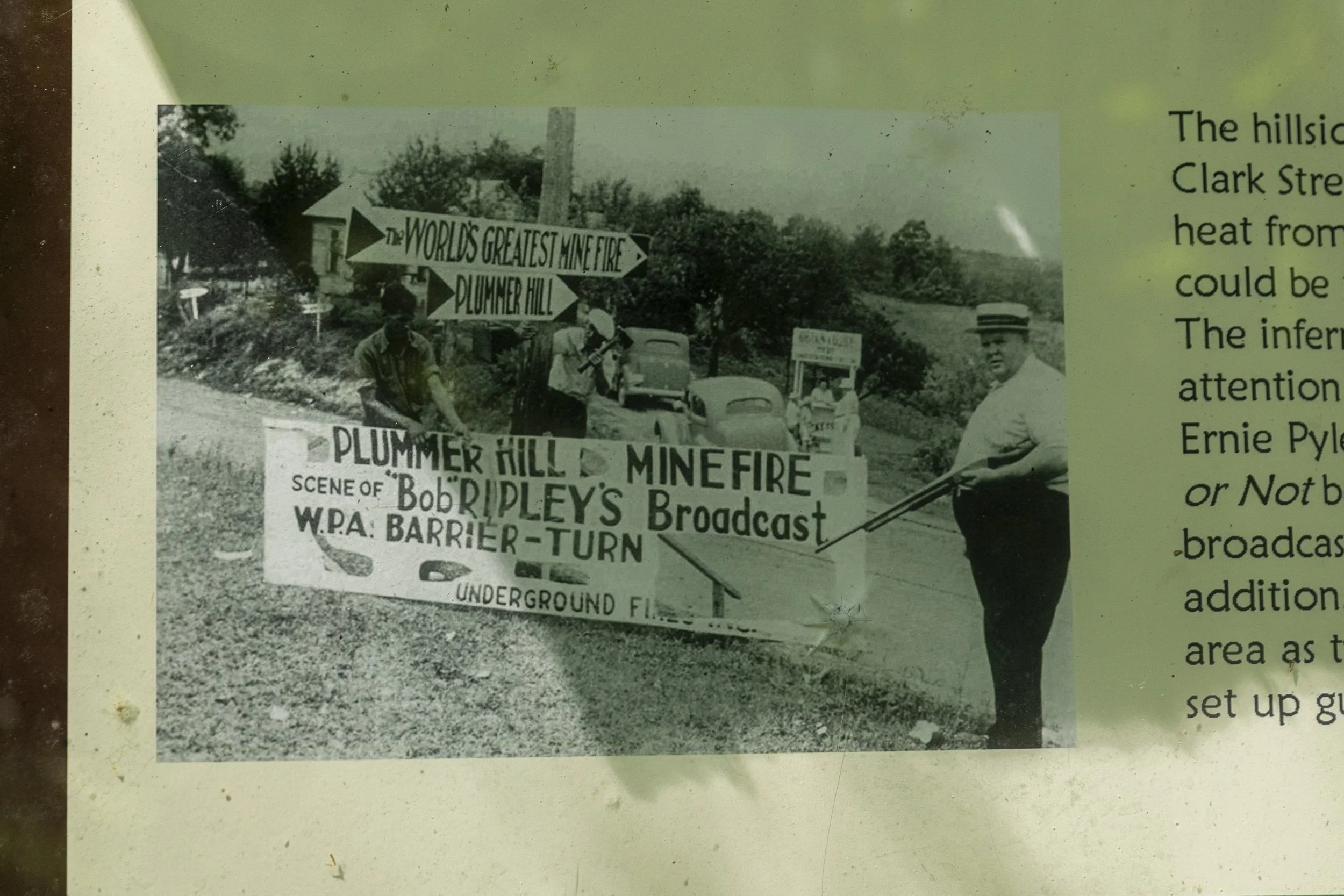
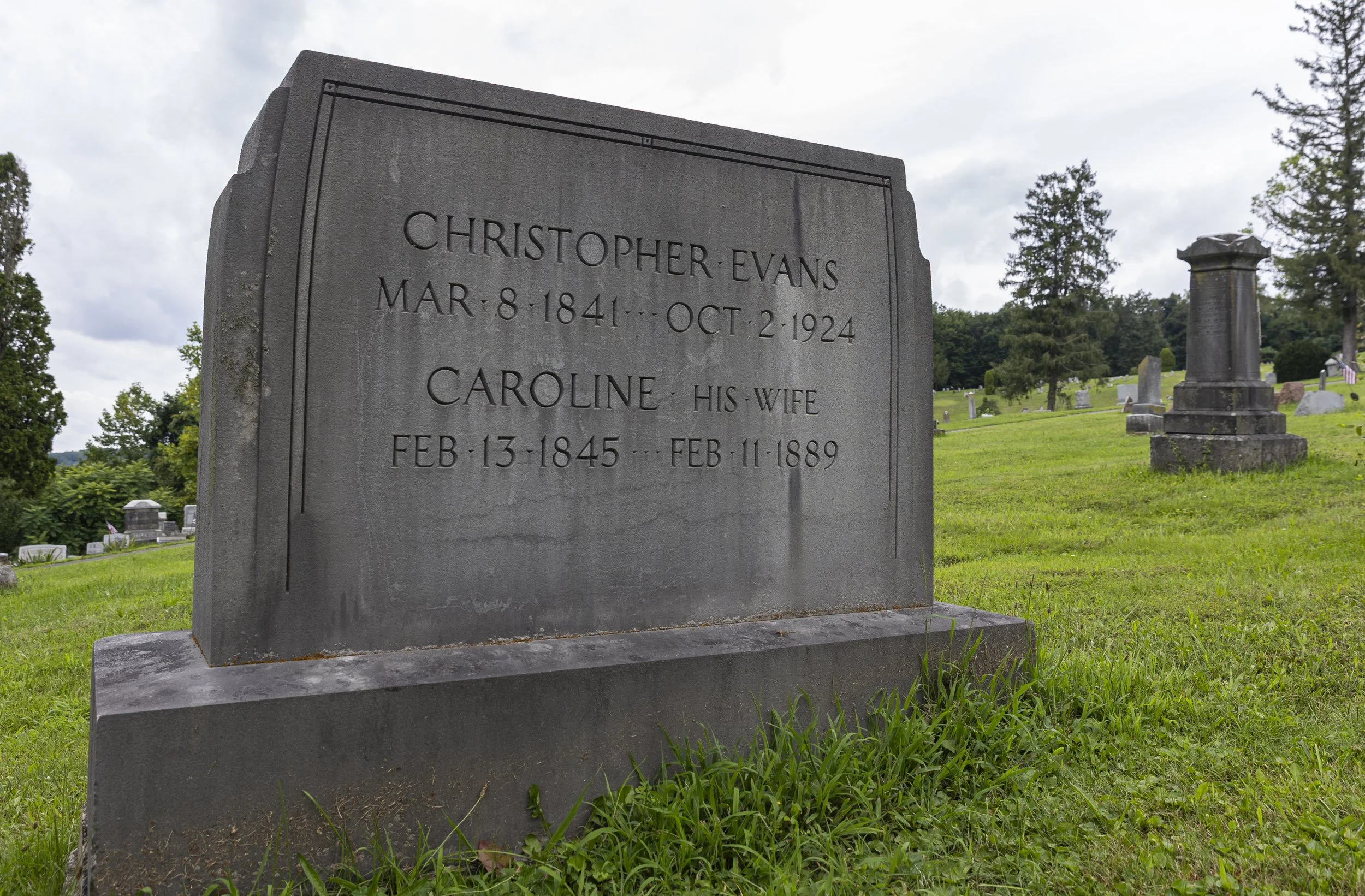
As Tyler explains, “one of the most important strikes in American history for its era happened right here.”
The strike helped shape the national labor movement, and just a few years later, in 1890, the United Mine Workers of America was formed with strong ties to the coal towns of this region.
For Tyler, moments like those highlight how much history is embedded in these hills.
Too often, he says, southeast Ohio is treated as if it exists on the margins of American history. But the deeper he digs, the more he sees the region as a place that helped shape national conversations about labor, industry, and community life.
Just as importantly, learning that history can change how people see the place they live.
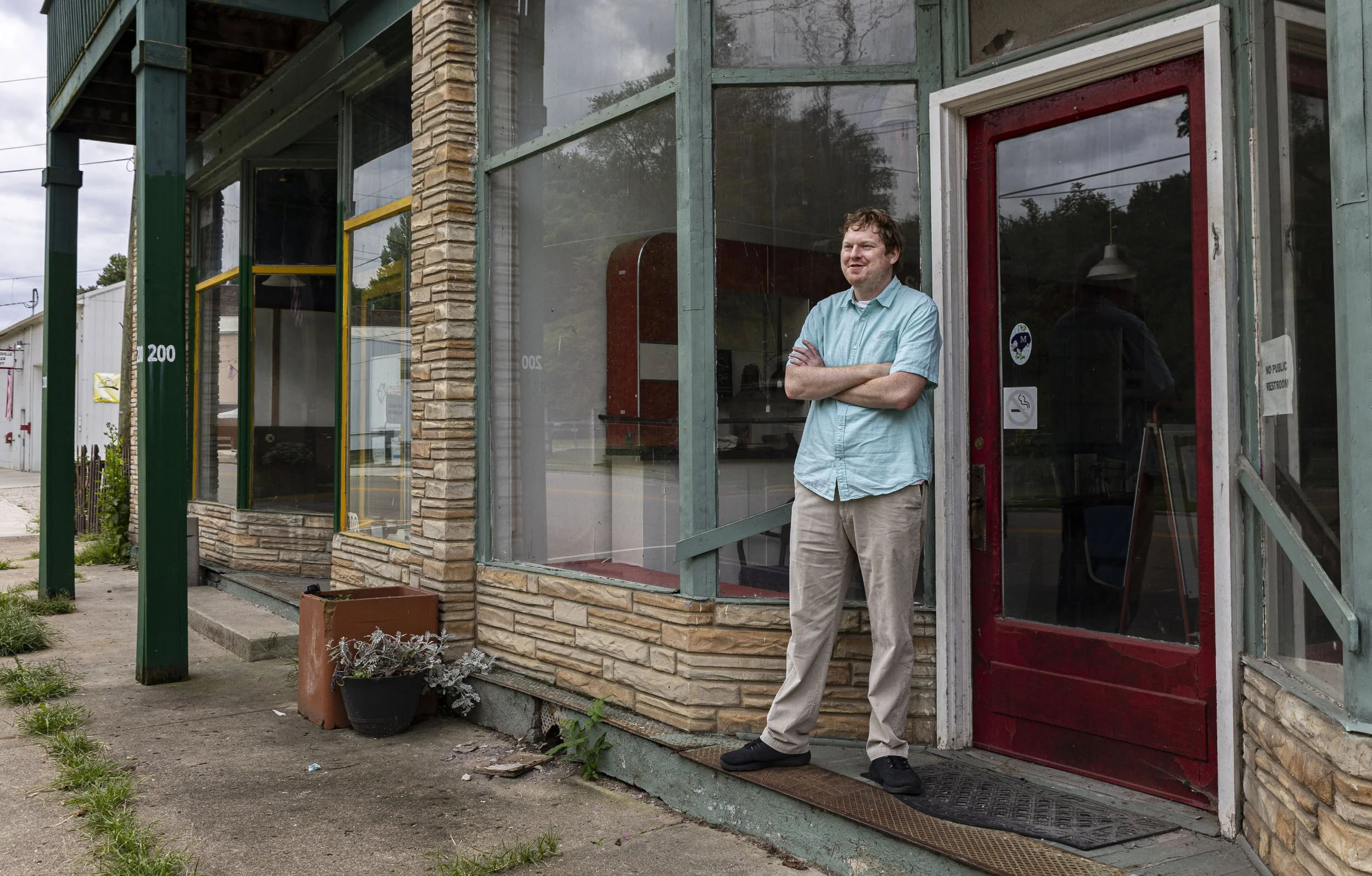
“When people learn more about the history of the region,” Tyler says, “they start to see their hometowns differently.”
The hills, towns, and back roads of southeast Ohio begin to reveal the layers of history that have always been there.
For Tyler, that shift in perspective is the heart of the work.
The history of this region isn’t gone.
It’s still here—in the landscape, in family stories, and in the communities that continue to carry it forward.