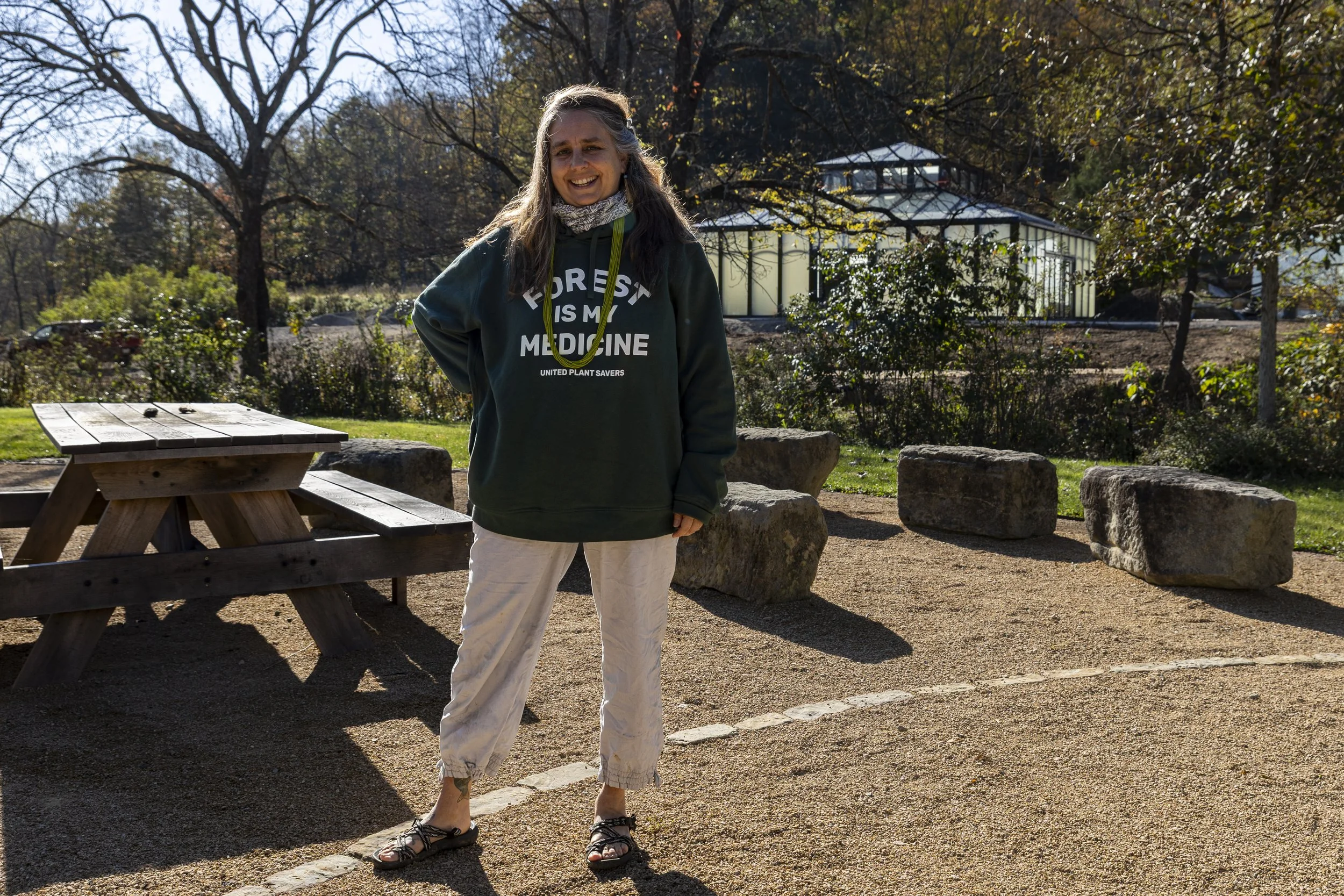
For Susan Leopold, protecting native medicinal plants is about more than conservation. It's about preserving the knowledge, history, and deep connections between people and the Appalachian landscape.
PEOPLE | CONSERVATION| MEIGS COUNTY
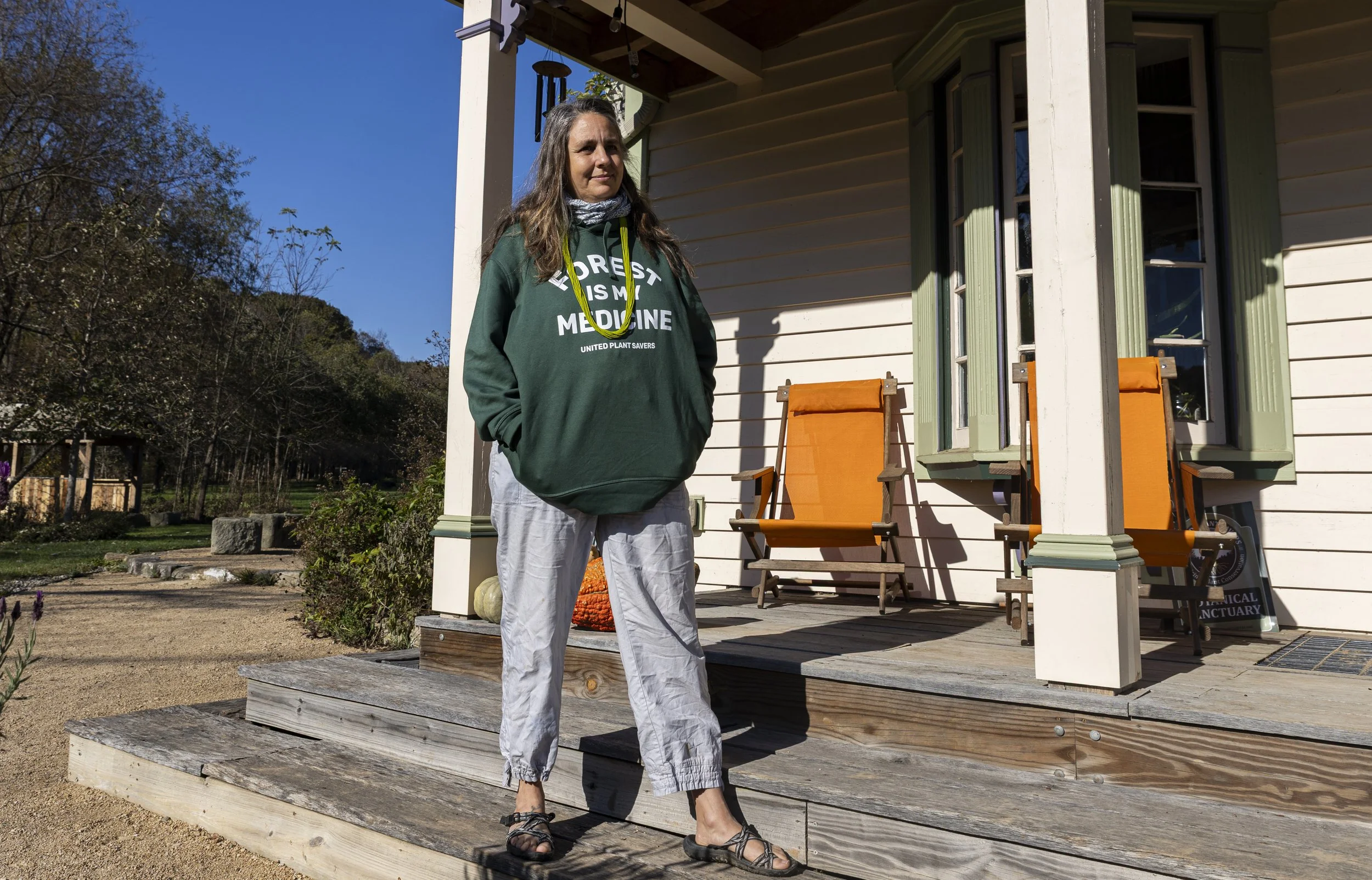
“We’re losing plants faster than we’re learning them,” Susan Leopold said.
That urgency shapes her work at United Plant Savers, a Meigs County–based organization focused on conservation tied to specific species, places, and the people who depend on them.
As executive director, Susan works toward the organization’s mission of protecting native medicinal plants and their habitats. “The work is here,” she said. “I can’t imagine doing it from anywhere else.” She has led United Plant Savers for 15 years.
Her path hasn’t been linear, but it has always returned to the same idea: plants are not just resources, but relationships.
“I grew up with a deep connection to the natural world,” she said. “Plants were always part of that—not just as things to look at, but as living presences with history and relationship to people.”
That perspective led her to ethnobotany—the study of how people and plants shape one another—and eventually to Southeast Ohio, where United Plant Savers maintains a botanical sanctuary outside Rutland.
Her path to Meigs County was intentional, shaped by the work she was already moving toward.
“Southeast Ohio isn’t somewhere most people end up by accident—you find it because something pulls you there,” she said. “For me, it was the work.”
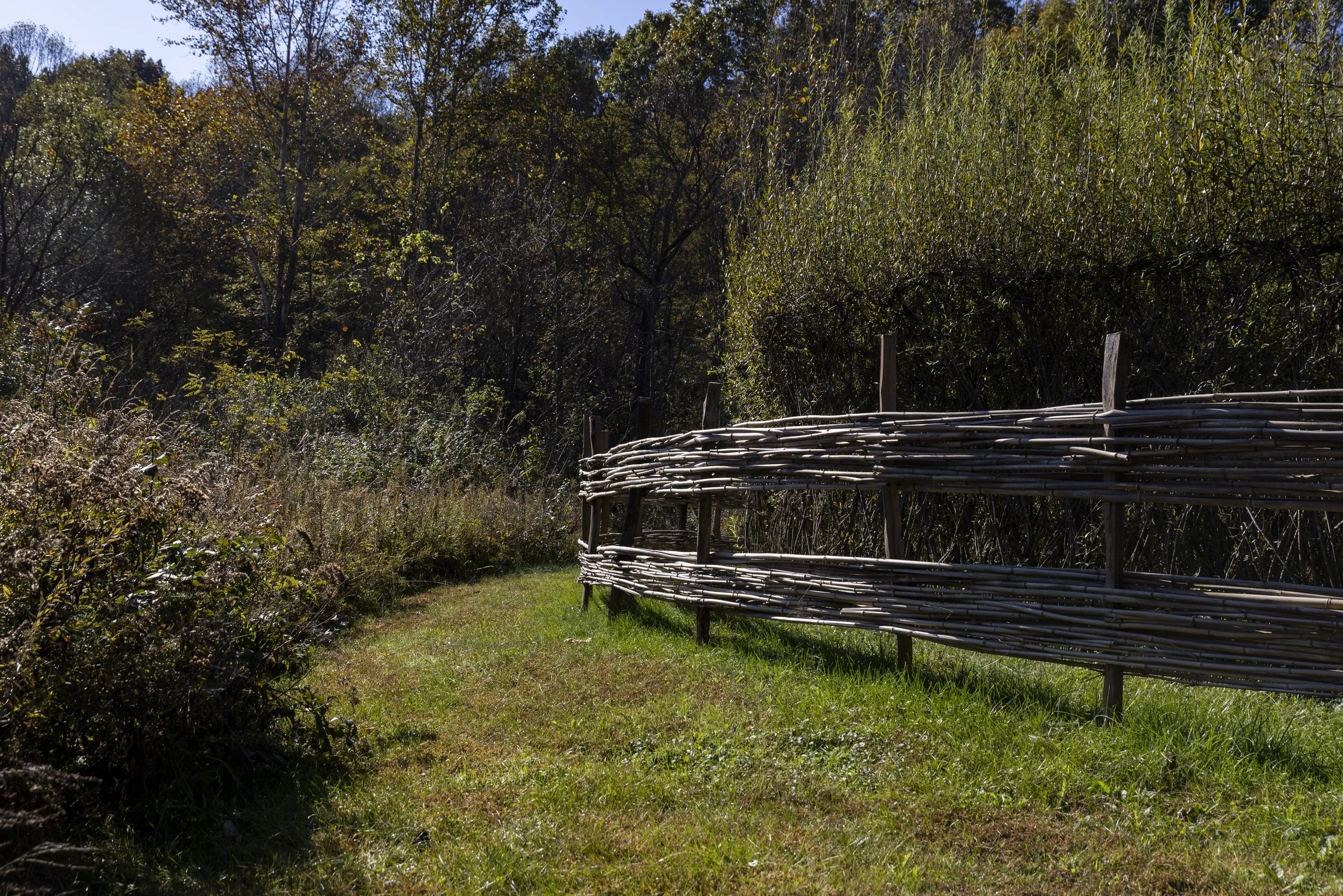
“Once you’re here, the land itself keeps you.”
This region, she said, sits at the heart of what United Plant Savers does, with the sanctuary in Rutland serving as “the living center of the organization.” But the work isn’t the only thing that holds people here.
“Once you’re here, the land itself keeps you,” Susan said. “There’s a quality to these Appalachian foothills—the richness of the forest understory, the way the light moves through old hardwoods, the resilience of communities that have learned to live with and from this landscape.”
That relationship to the land is layered—and not without its disruptions.
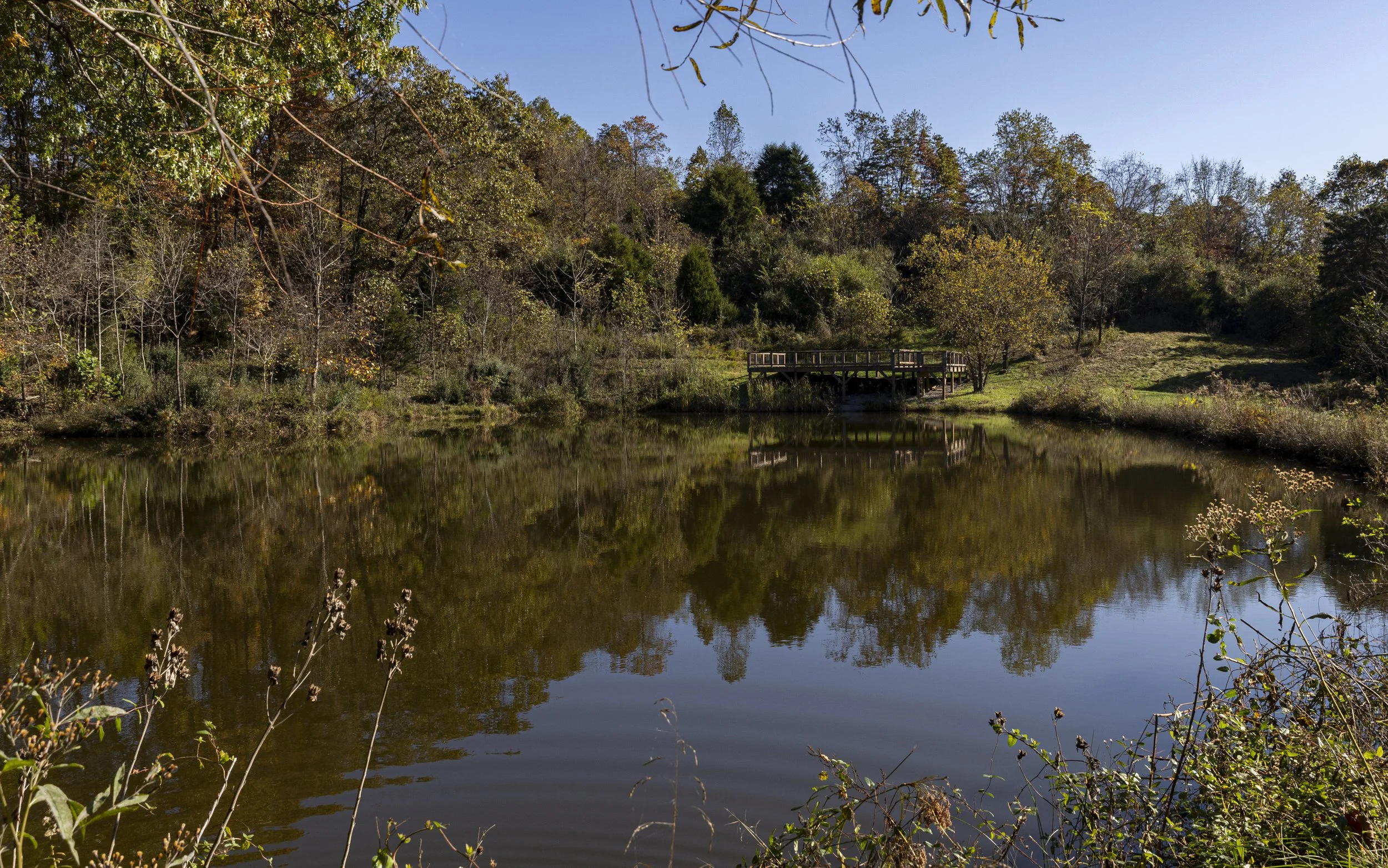
The land was once strip-mined. Before that, it was known as Paynes Woods, a place recognized for its abundance of medicinal plants. Today, it is both—a recovering landscape and a living center for conservation work.
“There’s something powerful about land that has survived exploitation and is in the process of becoming itself again,” Susan said.
That process is central to the organization’s work.
Founded in 1994, United Plant Savers focuses on protecting native medicinal plants and fungi through research, education, and advocacy. But the work is also a response to pressure.
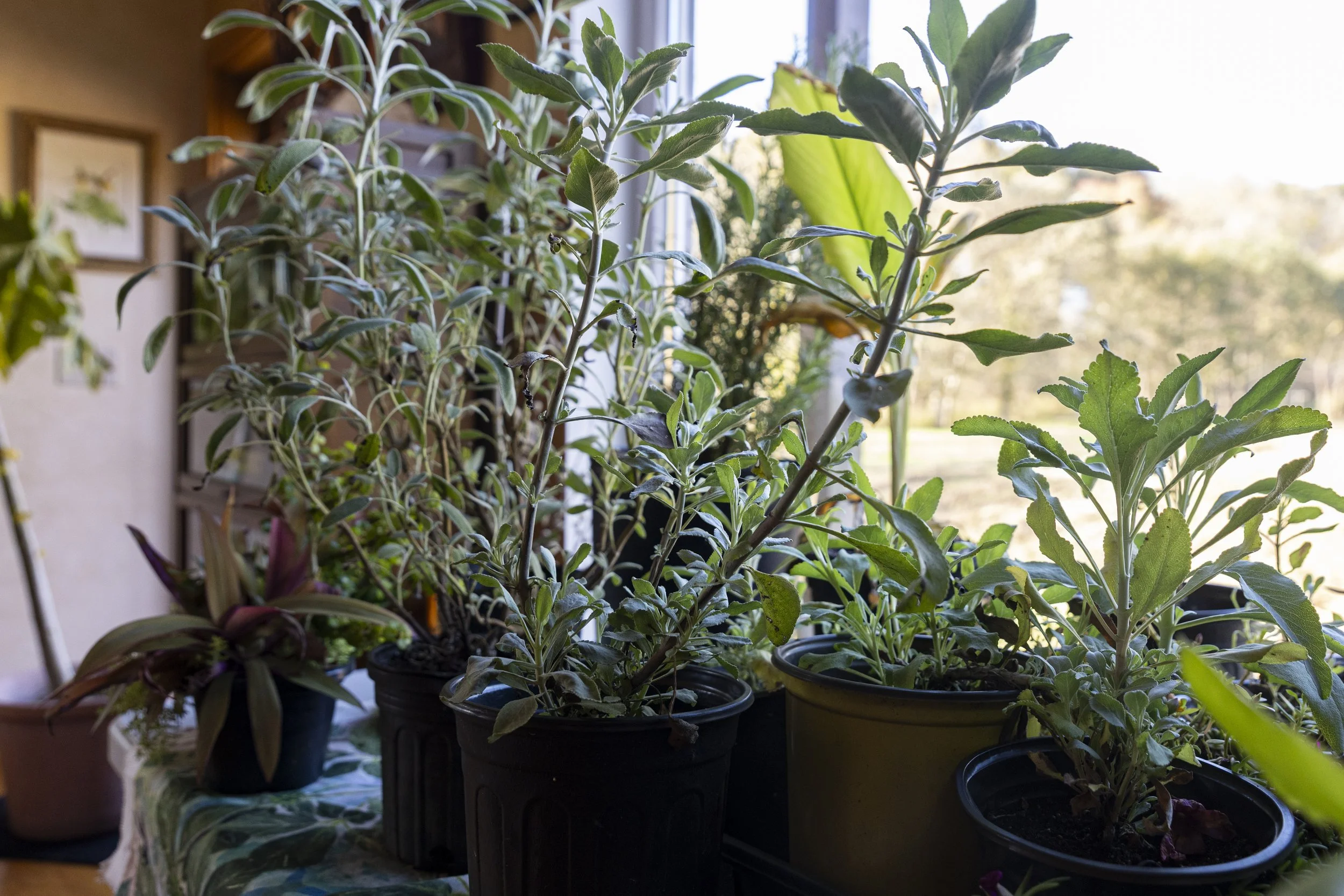
The herbal products industry has grown significantly, and many of the plants that supply it are still harvested directly from the wild.
“Plants like goldenseal, American ginseng, black cohosh—iconic American herbs—are disappearing from our forests even as demand for them rises,” Susan said.
The challenge is not just ecological—it’s cultural.
“These plants evolved here, in relationship with this soil, these insects, these fungi, these communities of people,” she said. “When you pull a plant from the wild without thinking about what it leaves behind, you’re not just harvesting an herb—you’re interrupting something.”
Part of the work, then, is changing how people understand that relationship.
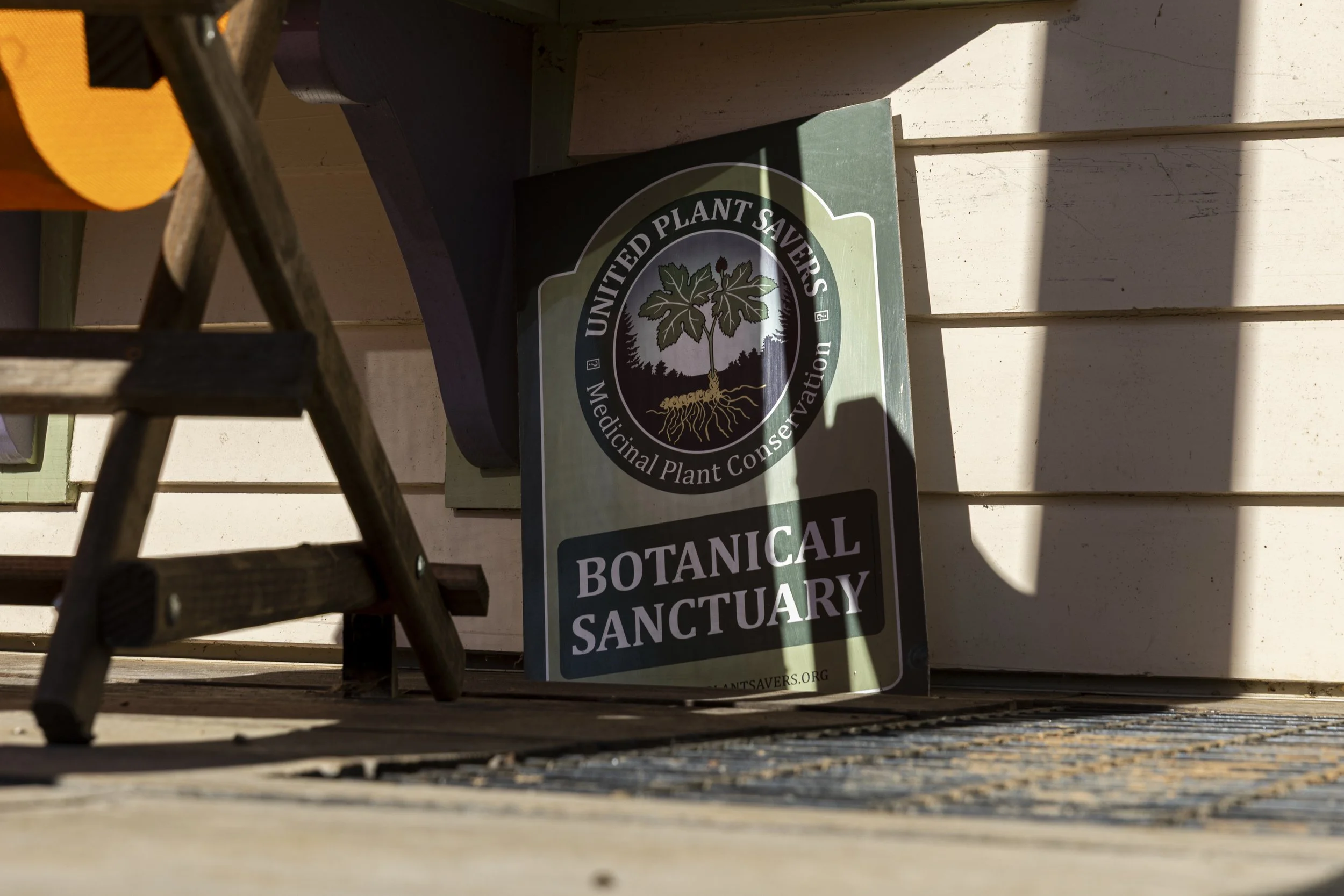
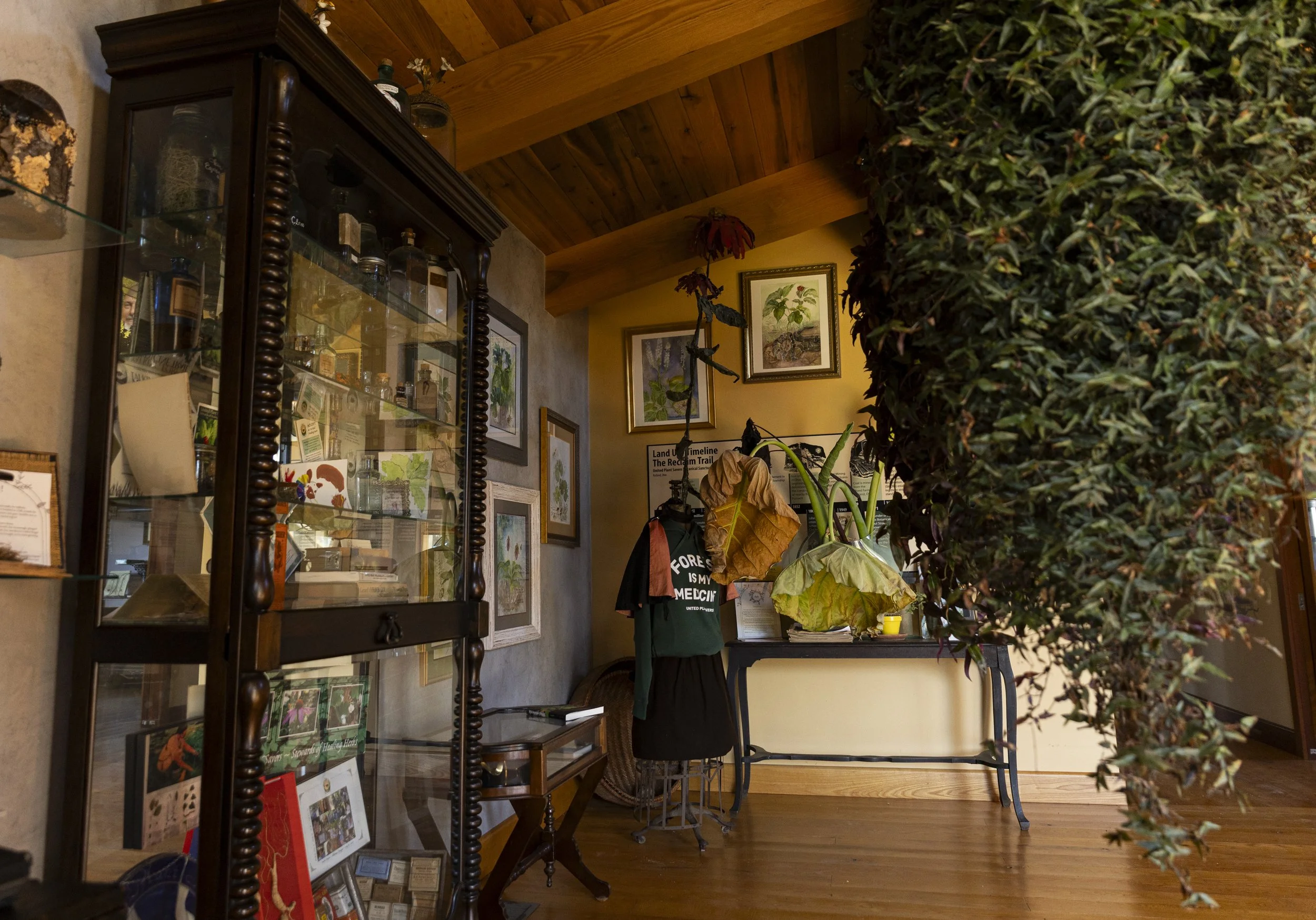
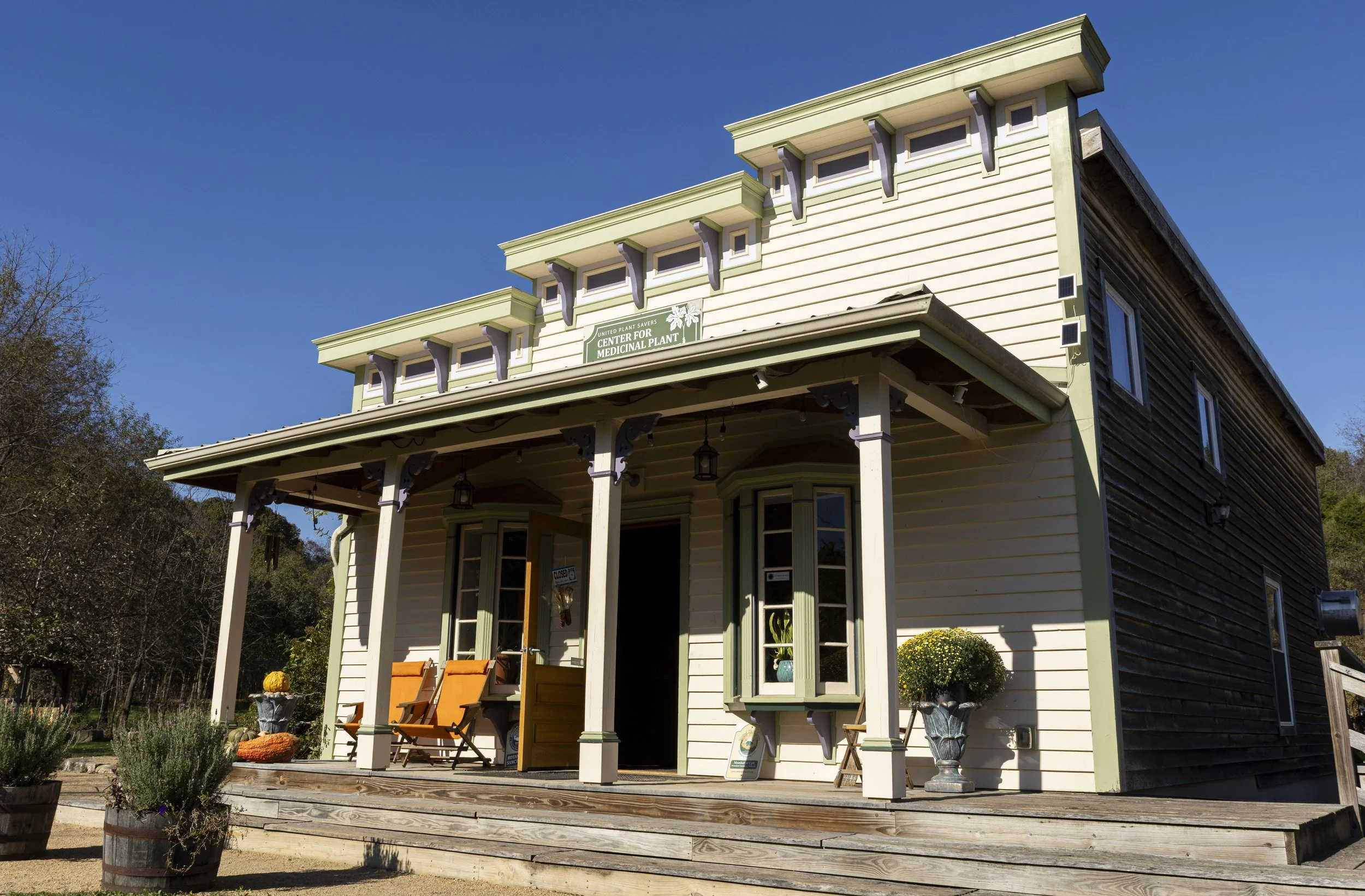
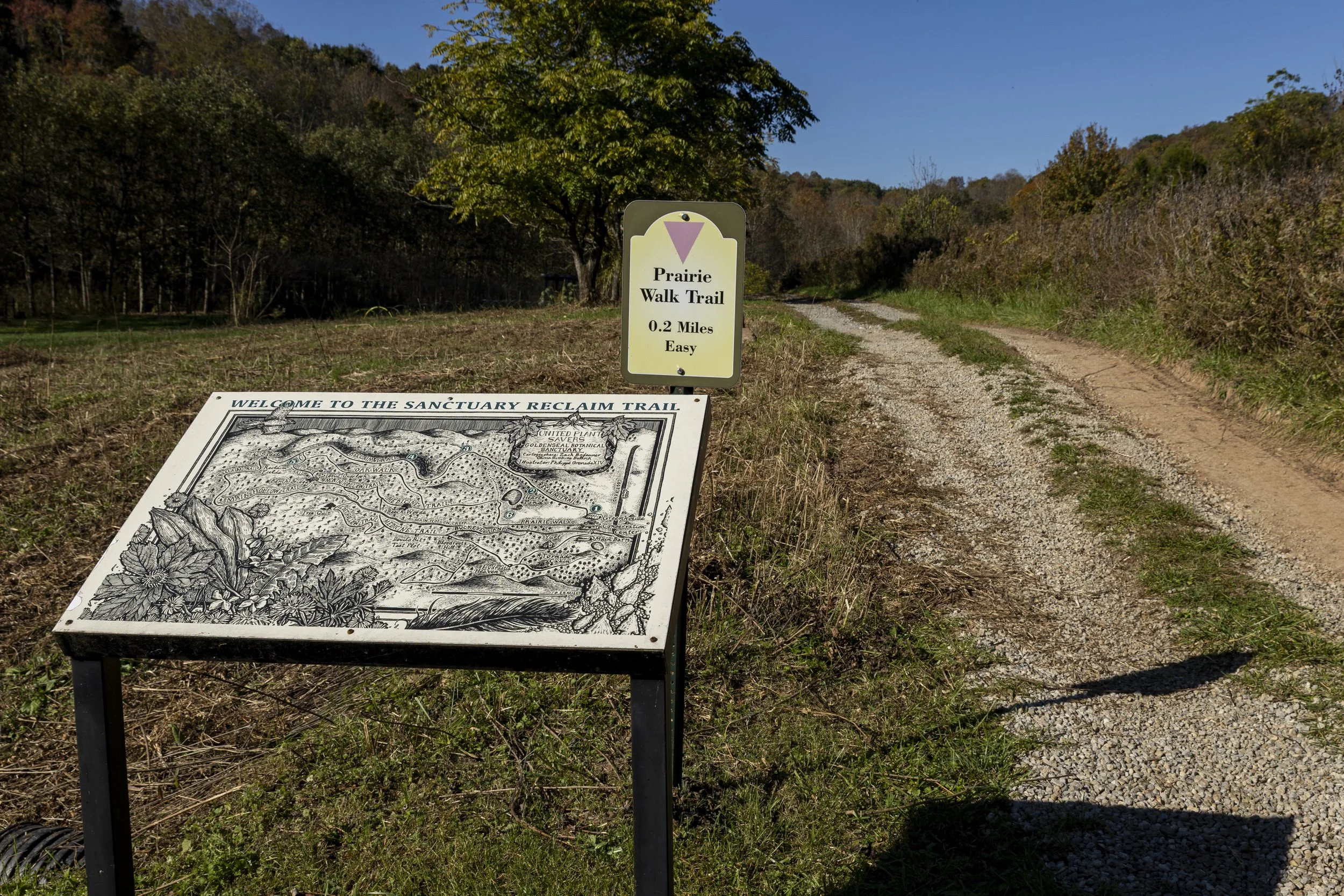
At the sanctuary, that happens through guided walks, educational programs, and a growing network of landowners and growers working to cultivate medicinal plants rather than extract them. Certification programs like Forest Grown Verified aim to create sustainable alternatives while supporting local economies.
That connection matters in Appalachia, where forest products have long been part of daily life.
“The forest products economy—ginseng, goldenseal, ramps—has been here for generations,” Susan said. “Conservation and community prosperity don’t have to be at odds.”
“Conservation and community prosperity don’t have to be at odds.”
Rather than framing Southeast Ohio by what has been taken from it, the work points toward what remains—and what is still possible. The forest becomes not just a backdrop, but a system of knowledge, care, and renewal.
For visitors, the sanctuary offers a similar invitation: to slow down, to look more closely, to notice what doesn’t immediately stand out.
In a region often defined from the outside, that kind of attention begins to shift the story.
The hills are still here. The forests are still here. The knowledge—held in plants, in communities, in long-standing relationships to the land—is still here too.
“You just have to slow down and look for them.”